
 All posts

The aviation industry in 2024 has been at the forefront of technological transformation, driven by cutting-edge advancements and the widespread adoption of artificial intelligence (AI). From revolutionising air traffic management to enhancing passenger experiences and bolstering sustainability, AI and innovative technologies have reshaped every aspect of aviation. This year, we’ve seen autonomous aircraft take significant strides, AI-powered systems improve operational efficiency, and groundbreaking solutions reduce aviation’s environmental impact.
With these advancements, the industry is not only tackling present-day challenges but also laying the groundwork for a more sustainable, efficient, and secure future in air travel. Here’s a detailed look at the key technology and AI breakthroughs that defined aviation in 2024 and which make the future of private jet charters more exciting than ever before.

AI Revolution in Aviation: Transforming the industry

Predictive Maintenance: Preventing Issues Before They Happen
AI is revolutionising aircraft maintenance with predictive analytics. By continuously monitoring vast amounts of real-time data from aircraft systems, AI can identify early warning signs of mechanical issues before they escalate. This proactive approach has significantly reduced unplanned maintenance delays and increased fleet availability. Private jet charter operators are reporting improved reliability and reduced operating costs, making predictive maintenance a critical tool for enhancing operational efficiency.
Autonomous Systems: Expanding the Future of Flight
The development of autonomous aircraft technology reached new heights in 2024. AI-powered autonomous systems, once confined to drones, are now being tested in larger cargo and passenger aircraft. While regulatory hurdles remain for pilotless passenger planes, autonomous cargo flights have expanded globally, offering a glimpse into the future of logistics. These systems use advanced machine learning to navigate complex environments, demonstrating their potential to operate safely and efficiently in diverse conditions.
Air Traffic Management: Smarter, Safer Skies
AI-driven air traffic control systems are transforming the way flights are managed. These intelligent systems analyse real-time weather patterns, airspace traffic, and flight schedules to optimise flight paths, minimise delays, and improve safety in increasingly congested airspace. By automating decision-making processes and providing controllers with actionable insights, AI is reducing human error and enhancing overall efficiency.
Sustainability Takes Centre Stage
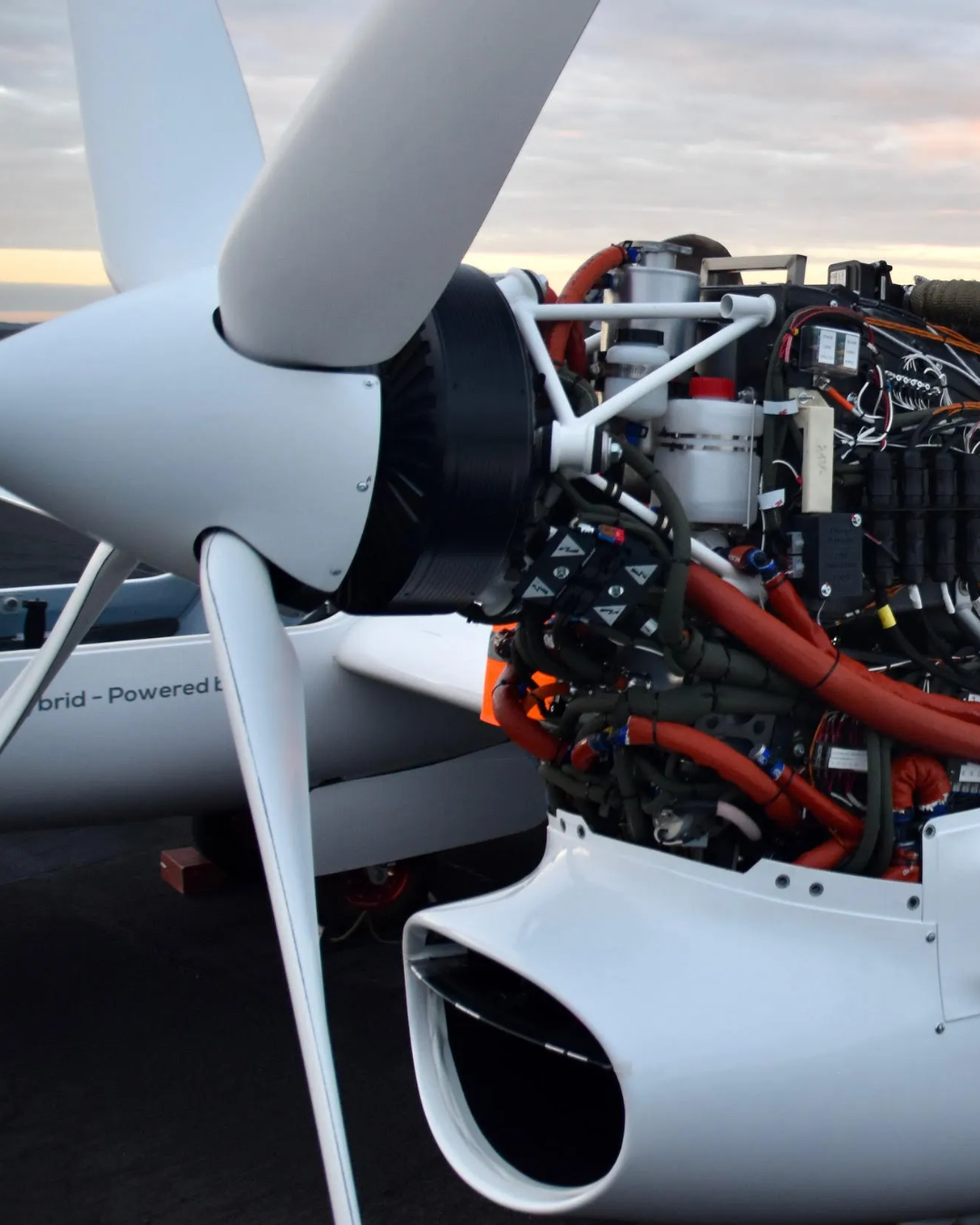
As the aviation industry faces growing scrutiny over its environmental impact, 2024 has been a pivotal year for advancements in sustainable aviation technology. Airlines and manufacturers have prioritised reducing carbon emissions, adopting innovative solutions to meet environmental goals. From hydrogen-fuelled aircraft to AI-optimised flight operations, these efforts mark a significant shift toward greener skies.
Hydrogen-Powered Aircraft: A New Era for Clean Aviation
Hydrogen-powered aircraft are leading the charge in sustainable aviation. Successful test flights in 2024 demonstrated the viability of hydrogen as an alternative to conventional jet fuel, especially for short-haul and regional routes. These aircraft use hydrogen fuel cells to produce electricity, emitting only water vapour as a by-product. Manufacturers are now scaling production efforts and collaborating with airports to establish hydrogen refuelling infrastructure. This breakthrough positions hydrogen technology as a cornerstone of future aviation sustainability and is of ever-increasing significance for the private jet charter sector.
Electric Aviation: Progress in Propulsion Systems
Electric aviation has seen remarkable progress this year, with new prototypes showcasing improved battery technology and extended range capabilities. Advanced electric propulsion systems are making aircraft lighter and more efficient, enabling sustainable options for regional and commuter flights. Several airlines have committed to introducing electric aircraft into their fleets by the end of the decade, with 2024 marking a significant step forward in achieving this goal. These advancements also pave the way for quieter, emission-free flights, offering environmental and noise pollution benefits.
AI-Driven Green Flight Planning: Optimising Efficiency
AI has become a critical tool in reducing aviation’s environmental footprint. Airlines are leveraging AI-powered systems to analyse flight data, weather conditions, and air traffic in real time to optimise routes. This precision allows aircraft to avoid turbulence, take advantage of favourable wind patterns, and fly the most fuel-efficient paths. By minimising fuel consumption and emissions, AI-driven green flight planning is helping airlines meet sustainability targets while cutting costs.
The Road Ahead for Sustainable Aviation
The innovations of 2024 highlight the aviation industry’s commitment to sustainability and the environment. With hydrogen-fuelled planes, electric propulsion systems, and AI-driven optimisation, the industry is taking meaningful steps toward a greener future. As these technologies continue to mature, they will play a pivotal role in achieving long-term carbon neutrality goals for the whole aviation industry, including private jet charters.
Passenger Experience Reimagined

In 2024, artificial intelligence (AI) has revolutionised the passenger experience, making air travel more seamless, personalised, and efficient. From cutting-edge biometric systems that eliminate long queues to AI-driven virtual assistants providing real-time support, these advancements are setting new standards for convenience and satisfaction in aviation.
Biometric Security Systems: Faster and Seamless Airport Processes
AI-powered biometric systems have become a staple in major airports worldwide, streamlining check-ins, security clearance, and boarding processes. Facial recognition technology allows passengers to move through terminals without needing physical documents, reducing waiting times significantly. These systems are also enhancing security by accurately verifying identities, minimising human error, and speeding up bottlenecks in busy airports. In 2024, biometric check-ins have become a preferred choice for airlines and passengers alike, providing an even more frictionless airport experience for private jet charter passengers.
Personalised Services: Tailored Experiences for Every Traveller
AI is transforming in-flight services by offering personalised experiences based on passenger preferences and past behaviour. From recommending customised entertainment options to suggesting meal choices aligned with dietary needs, AI-driven algorithms are helping private jet charter operators deliver tailored experiences that enhance customer satisfaction. Frequent flyers now enjoy targeted perks, and AI systems even anticipate and address potential concerns, such as preferred seating arrangements or connecting flight reminders, making each journey more enjoyable.
Digital Assistants: Real-Time Support at Your Fingertips
AI-powered virtual assistants have become indispensable for travellers, offering instant support throughout their journey. These digital assistants can help passengers book flights, track baggage, or find their way to airport amenities with ease. Integrated into Private jet charter operators' apps and FBO/private airport systems, these AI tools provide real-time updates on any flight changes, private terminal information, and delays, reducing stress and enhancing overall efficiency. In 2024, virtual assistants have redefined customer service in aviation, combining speed, accuracy, and accessibility.
Do not hesitate to visit our online quote to obtain a price estimate for your next journey.
Request a quote