
 All posts
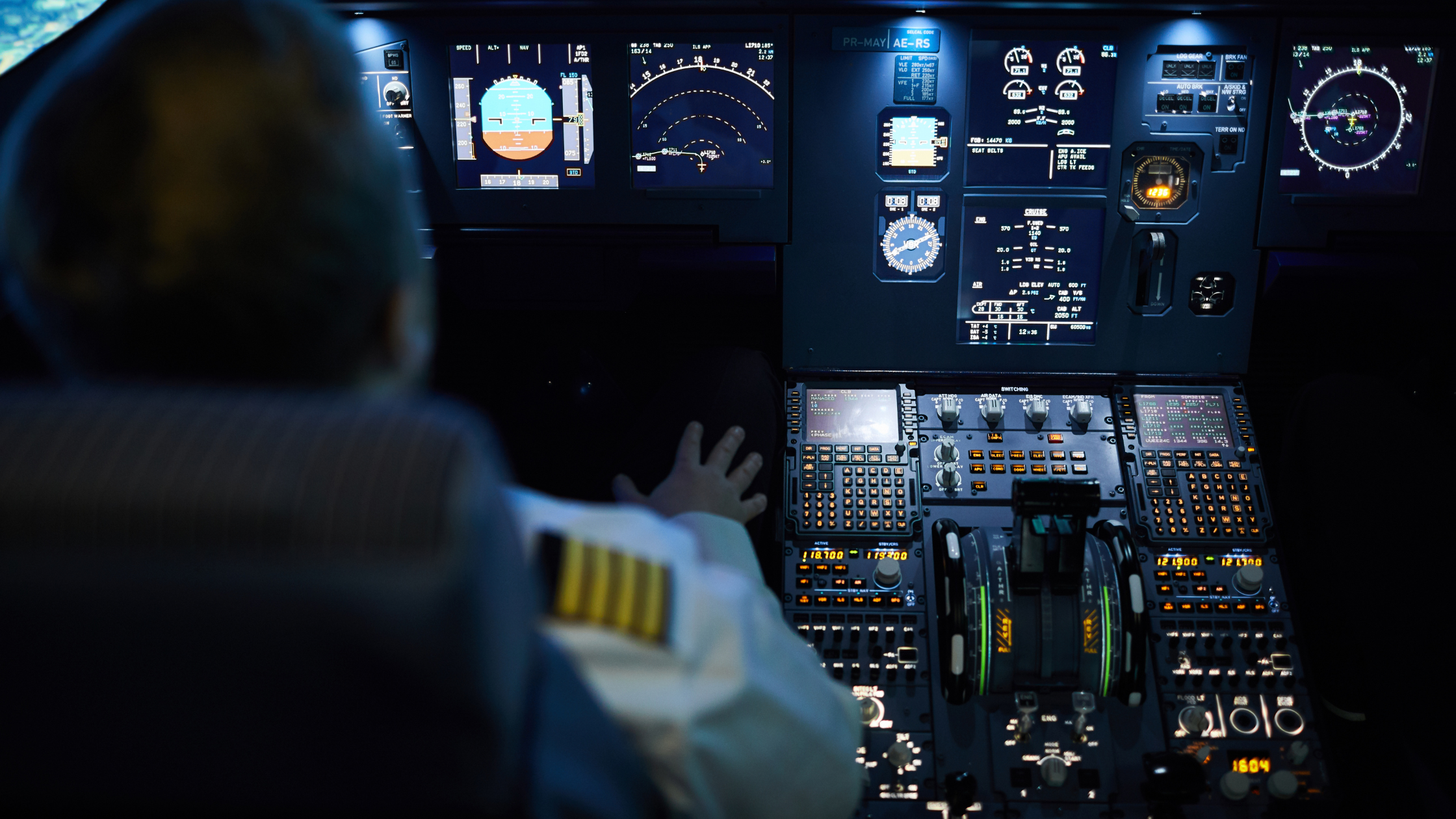
Autopilot has transformed aviation. What began as a basic tool to keep an aircraft stable is now a core part of modern flight operations. In private aviation, where timing, comfort, and control matter more than ever, autopilot plays a central role. It enables pilots to handle complex routing, maintain safety in poor weather, and deliver a consistently smooth experience whether flying a heavy jet to the Middle East or a light jet on a last-minute hop across Europe.
This article looks at how autopilot developed over the past century, and how it works in practice today especially aboard the private jets chartered through SHY Aviation.

The First Experiments: 1910s - 1930s
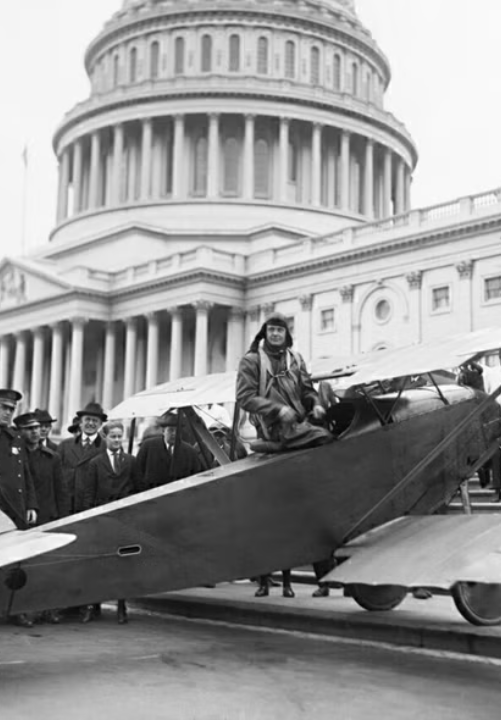
The idea of automating flight control emerged almost as soon as aircraft became viable. In 1912, Lawrence Sperry, son of gyroscope pioneer Elmer Sperry, introduced the world’s first autopilot a mechanical system combining a gyroscopic stabiliser with an aircraft’s control surfaces.
This system used a gyroscope to sense deviations in pitch and roll, automatically adjusting the aircraft’s control surfaces to maintain level flight. It offered basic stabilisation, allowing pilots to temporarily let go of the controls without losing flight balance something unheard of at the time.
In 1914, Sperry made headlines at the Concours de la Sécurité en Aéroplane in France, where he demonstrated his autopilot by flying a Curtiss C-2 with his hands off the controls at one point even stepping away from the cockpit. The flight stunned both the public and aviation experts, showing for the first time that aircraft could be guided automatically.
Though rudimentary, the system marked a turning point. Aviation moved from being fully manual to partially automated.
Wartime Development: 1930s - 1940s
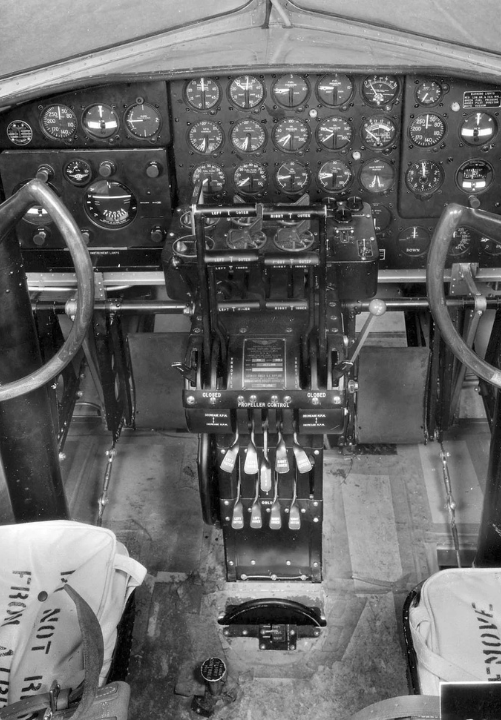
The interwar years saw further refinement, mostly driven by military needs. Long-distance bombers and reconnaissance planes needed stabilisation for extended missions, particularly when navigating blind through clouds or at night.
During World War II, the U.S. military integrated early autopilot systems like the Sperry A-3 and A-5 into bombers such as the B-17 Flying Fortress and the B-24 Liberator. These systems could hold altitude and heading, improving accuracy and reducing pilot exhaustion on long missions. Some were even paired with early forms of automatic navigation and bombsight systems, allowing for straighter, more stable bombing runs.
Meanwhile, the Germans developed their own systems, including the Lotfe 7 bombsight, which linked to autopilot systems on aircraft like the Heinkel He 111, enabling semi-automated flight during bombing raids.
This wartime pressure accelerated development and proved the practical value of automated systems.
Commercial Expansion: 1940s- 1950s
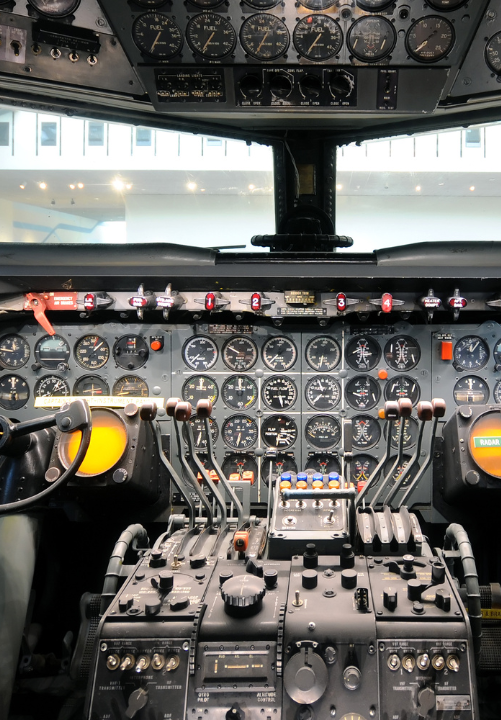
After the war, commercial aviation grew rapidly. Airlines began offering longer flights, and pilots faced new challenges: fatigue, poor weather, and long periods of steady cruise. Autopilot became essential for maintaining safety and efficiency.
Aircraft like the Douglas DC-4 and DC-6 were among the first commercial aircraft to incorporate effective autopilot for civil use. These systems maintained heading, altitude, and basic route direction, allowing pilots to focus more on navigation, weather updates, and crew management.
The demand for greater range, fewer diversions, and more consistent performance drove airlines to push manufacturers for increasingly reliable autopilot systems. While still mechanical in nature, these systems reduced the workload and improved consistency, especially during cruise.
Into the Jet Age: 1950s–1970s

As aviation entered the jet age, the complexity of aircraft increased dramatically. Jetliners like the de Havilland Comet, Boeing 707, and later the 747 introduced new altitudes, speeds, and route possibilities that made manual flying impractical over long durations.
Autopilot evolved to match. In the 1950s and ‘60s, electromechanical systems gave way to early analog computers. These could coordinate multiple inputs airspeed, pitch, roll, yaw, altitude and output stable, continuous adjustments.
By the late 1960s, autopilot systems were no longer just about stability, they began integrating navigation functions. The Bendix PB-20, Collins FCS-85, and Sperry SP-50 systems were early attempts to combine stability with precision navigation.
The arrival of the Flight Director a visual interface that gave pilots guidance cues further advanced things. Pilots could fly based on instrument inputs that mirrored what autopilot would do, allowing for seamless handovers between human and machine.
Rise of Automation: 1970s–1980s

The 1970s introduced true Flight Management Systems (FMS). These combined route planning, performance management, and autopilot into a unified tool.
Aircraft like the Boeing 727, 737, and later the Airbus A300 began to include full three-axis autopilot with autoland capability able to land the aircraft without any manual input, even in zero visibility.
The FMS allowed crews to enter a full flight plan before take-off and let the system manage course, speed, and altitude based on current weight, wind, and fuel data.
This wasn’t just about convenience. With increasing air traffic and regulatory oversight, the precision and predictability of computer-assisted flight became critical.
The technology trickled down to business aviation. Aircraft like the Learjet 35, Gulfstream II, and Dassault Falcon 20 started receiving scaled-down versions of airline-grade systems, providing smaller crews with tools to fly longer, safer routes with better control.
Today’s Autopilot: Smart, Connected, Reliable
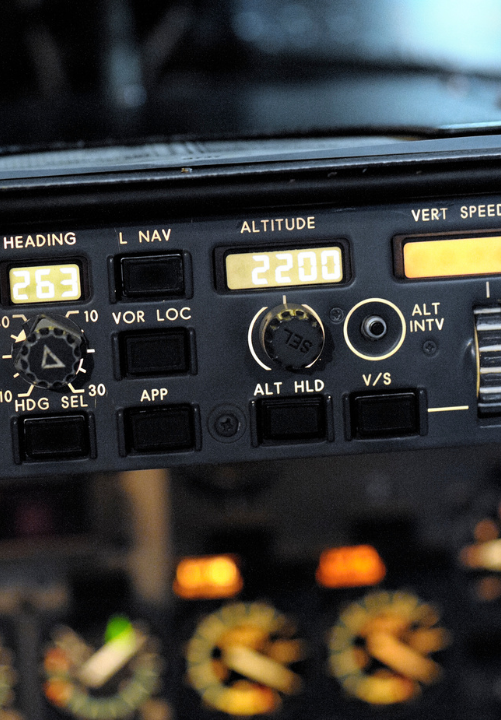
Modern autopilot doesn’t just stabilise, it actively manages the flight.
In today’s private jets, autopilot systems are fully integrated with navigation, weather, traffic avoidance, and aircraft performance software. They receive satellite input, adjust to turbulence in real time, and constantly optimise flight paths for efficiency and comfort.
On aircraft chartered through SHY Aviation, autopilot works quietly behind the scenes to:
- Maintain optimal altitude and speed
- Handle complex airspace and routing
- Minimise turbulence impact through predictive adjustments
- Assist in low-visibility landings and challenging conditions
- Reduce pilot workload, allowing sharper focus on client needs
Why it matters for private jet clients
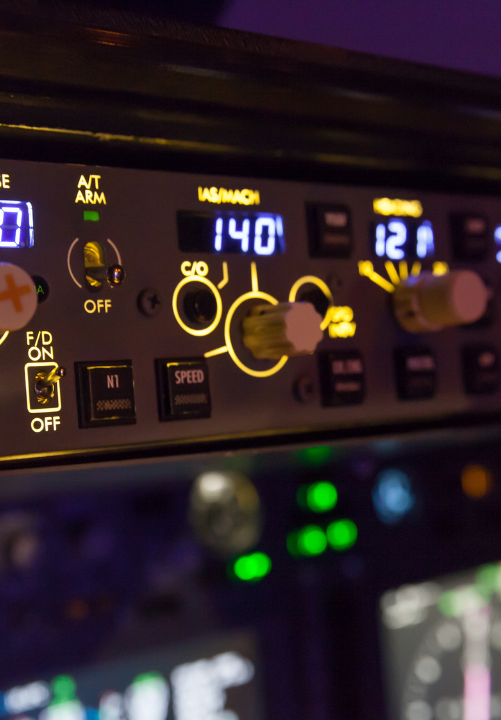
For most SHY Aviation clients, time and comfort are key. Autopilot helps deliver both. By reducing manual flight tasks, pilots can focus more on coordination, decision-making, and personalising the flight experience.
Autopilot also increases safety by eliminating small human errors and responding faster to sudden changes in flight conditions. When combined with human oversight, it becomes a powerful tool, especially on long-haul or multi-leg international routes.
In short, autopilot is not a replacement for pilots. It’s a system that supports better flying.
From a stabilising gyroscope in 1912 to the AI-assisted systems in today’s private jets, autopilot has come a long way. It’s part of what makes flying with SHY Aviation smooth, efficient and reliable.
Aviation tech continues to evolve, but the goal remains the same: to fly smarter, safer, and more comfortably for both pilot and passenger.
Do not hesitate to visit our online quote to obtain a price estimate for your next journey.
Request a quote