
 All posts
What is ETIAS?
The European Travel Information and Authorisation System (ETIAS) is an upcoming digital travel authorisation required for citizens of visa-exempt countries, including the UK, to enter the Schengen Area. It is similar to the US ESTA scheme.
- Cost: €20 (£17) for travellers aged 18–70 (free for under-18s and over-70s, though application is still required).
- Validity: Three years, or until the associated passport has less than three months remaining.
- Purpose: To verify eligibility before arrival, enhance border security, and streamline checks.
The Schengen Area includes most EU countries (with the exception of Ireland and currently Cyprus), along with Iceland, Norway, Switzerland, and Liechtenstein.
ETIAS is not a visa. It is a pre-travel authorisation for visa-free travellers.

What are the Key ETIAS Dates and Rollout Timeline?

12 October 2025: The Entry/Exit System (EES) goes live at major Schengen border points, including Düsseldorf (Germany), Geneva, Zurich, and Basel (Switzerland), as well as Paris Charles de Gaulle and several regional French airports. Rome Fiumicino and Milan Malpensa in Italy are also expected to activate on or shortly after this date. Biometric checks using facial and fingerprint data begin, while passport stamps remain in use during the transition phase.
October 2025 - March 2026: The system rolls out progressively across other border points. Biometric registration becomes required wherever EES is active. Each country will activate it at a different pace, so procedures may vary.
10 April 2026: Full EES operation is expected across all Schengen states. Passport stamping will stop once the system runs reliably, though smaller regional borders may continue manual checks for a short time.
Q4 2026: ETIAS is expected to launch following at least six months of stable EES operation. Applications will open through the official EU portal.
Early to mid-2027: ETIAS will become mandatory after a transitional and grace period, giving travellers time to adapt before full enforcement.
What is the Entry/Exit System (EES)?

The EES is an automated border management system that records the entry and exit of non-EU nationals into the Schengen Area. It replaces the manual stamping of passports.
The system captures:
-
Name, passport details, and travel document data
-
Date, time, and place of entry and exit
-
Facial image and fingerprints (except fingerprints for children under 12)
The data helps track overstays and identify travellers who breach the 90/180-day limit.
At the first entry after launch, travellers will need to provide fingerprints and a facial image. On later visits, only verification against stored biometric data will be required.
Travellers will also be asked a few standard questions at border control, such as the purpose of their trip, length of stay, and planned accommodation address. These checks are routine and aim to confirm that travellers meet entry conditions under Schengen rules.
Airlines and transport operators will also have to check EES registration before boarding from April 2026.
What is the ETIAS Application Process?
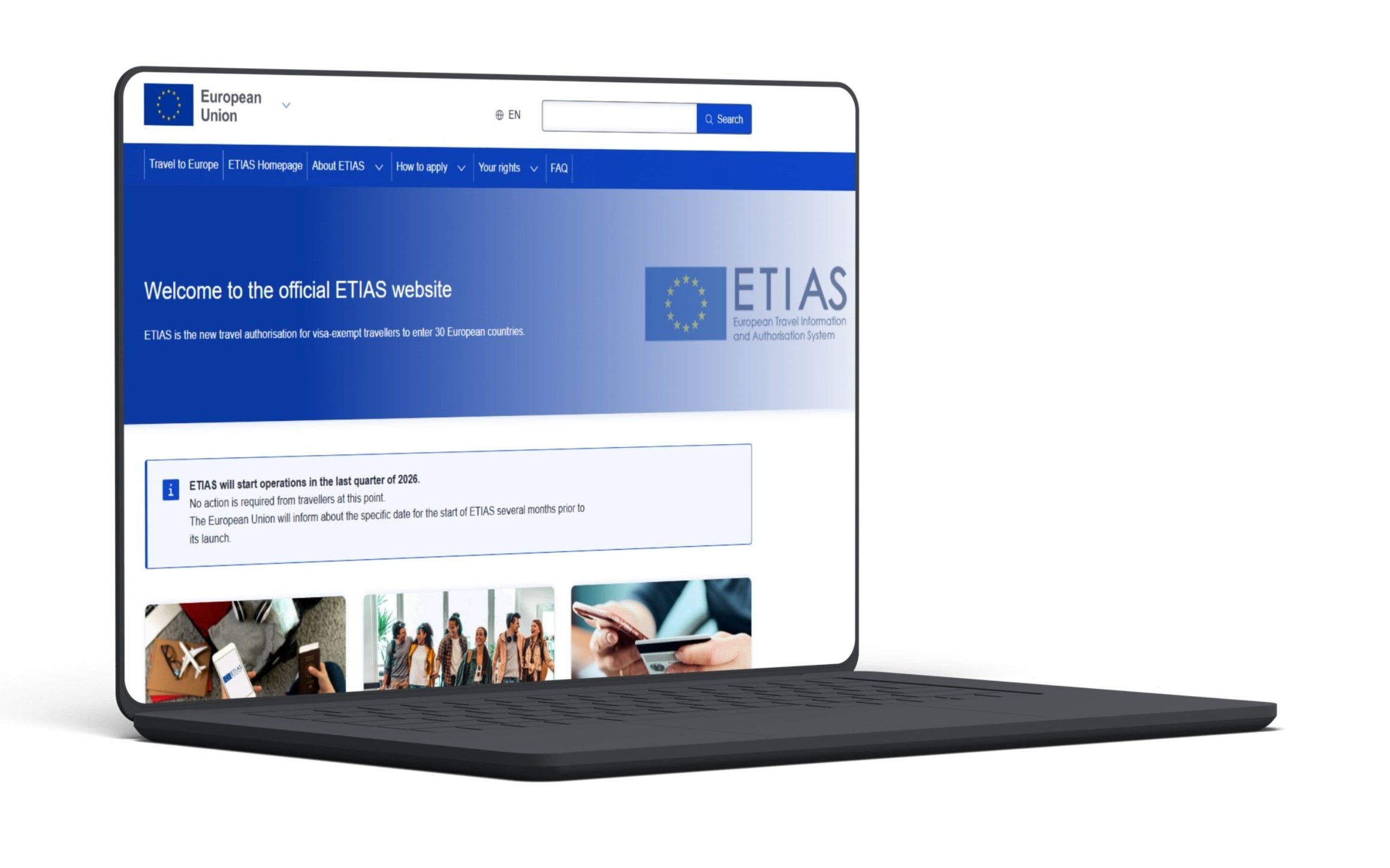
Applications will be made through the official ETIAS website (later followed by an app). Required information includes:
- Personal details and passport information
- Contact details and first point of stay in Europe
- Occupation or study details
- Travel purpose (e.g., holiday, business, family visit)
- Information on serious convictions in the past 20 years
Applicants are not required to adhere strictly to the first destination or address provided, as plans may change after approval.
How does an ETIAS get processed?
- Approval time: Usually within minutes; may take up to four days.
- Further checks: If flagged by security databases, applicants may be asked for more details or, in some cases, attend an interview (up to 30 days).
- Rejections: Applicants can appeal if refused. Details will be provided in the notification.
How is ETIAS Data Handled?
Applications are screened against EU, Interpol, and ETIAS watchlists. The system is designed to identify potential security risks.
Use at Borders and with Airlines
- Approved ETIAS is electronically linked to the applicant’s passport.
- Airlines will check ETIAS status before boarding, as they currently do with similar schemes in the US and Canada.
- ETIAS does not guarantee entry; travellers remain subject to standard border checks.
How does ETIAS Compare to a VISA?

ETIAS is officially not a visa. It is a pre-travel authorisation system for visa-exempt travellers, similar to the UK’s ETA or Canada’s eTA. However, it does require advance application, payment, and approval prior to travel.
Important Notes for UK Travellers
- 90/180-day rule: UK citizens may stay up to 90 days within any 180-day period in the Schengen Area.
- Ireland: ETIAS is not required for travel to Ireland, which remains part of the Common Travel Area with the UK.
- Long-stay permits: Those holding a visa or residence permit for work or study in an EU/Schengen country do not need ETIAS.
- Dual nationals: Travellers holding both a UK and an EU passport should use the EU passport where possible for smoother entry.
- Transit passengers: Requirements vary by airport. For example, Amsterdam has stricter rules, while others such as Paris or Frankfurt typically only enforce checks if entering Schengen.
What are the ETIAS Considerations for Private Jet Travellers?
Private jet charter passengers are subject to the same ETIAS and EES rules as commercial travellers, but there are some important distinctions:
- Advance Information: Operators of private jets must submit passenger details through the EU’s Advance Passenger Information (API) systems, just as airlines do. Without a valid ETIAS (once mandatory), travellers may be denied boarding clearance before departure.
- Border Control Locations: Unlike large airports with automated kiosks, smaller regional or executive airports may not initially have full EES facilities. In such cases, manual checks and stamping may continue for longer. Private jet passengers should expect variations in procedure depending on the airport of entry.
- Biometric Capture: EES biometric collection (fingerprints and facial data) must still take place, even for private flights. Depending on the airport, this may require processing at a dedicated border facility before onward travel.
- Flexibility vs. Compliance: While private jet travel offers more flexibility, ETIAS applications must still be completed in advance. Last-minute travel may be impacted if ETIAS processing takes longer than expected.
- Ground Handling Agents: Many private jet travellers use handling agents. These agents will typically facilitate passenger processing, but travellers remain responsible for ensuring they meet ETIAS and EES requirements.
- Exit Procedures: When departing the Schengen Area by private jet, passengers will also need to be properly recorded in the EES system. This is essential to demonstrate compliance with the 90/180-day rule.
Common Questions about ETIAS

Will passports still be stamped?
Yes, until April 2026, when EES is fully operational.
Are both fingerprints and photos required?
Initially, both will be collected (except fingerprints for children under 12). Later visits may require only one.
Can couples with different passport types travel together?
Yes. An EU passport holder can usually accompany a UK partner through faster queues, though the UK partner must still register with EES/ETIAS.
What about small territories like Andorra or Gibraltar?
Andorra requires exit and re-entry checks into Spain or France. Gibraltar is expected to apply Schengen rules to UK travellers in the near future.
Risks of Unofficial Websites
The official ETIAS website will be hosted at europa.eu/etias. Travellers should avoid third-party sites charging excessive fees or claiming early application processing. No applications are currently being processed.
For further information about ETIAS and how it impacts private jet charters or group charters please contact the SHY Aviation private aviation specialists today
Do not hesitate to visit our online quote to obtain a price estimate for your next journey.
Request a quote